Why gym strength fails at the job site
TL;DR: The 30-Second Real-World Rule
If you’re strong in the gym but your back locks up when doing basic yard work, stop.
- Gym strength is sterile. Barbells are balanced and symmetrical. Firewood and boats are awkward, wet, and off-balance.
- The Twisting Trap: Never twist your spine while carrying a heavy load. Your feet must follow the weight.
- Keep it tight. Keep the center of gravity of the load as close to your beltline as possible to reduce lumbar leverage.
- The Foundation: Rebuild your back capacity before you lift heavy. Read my cornerstone guide explaining why your physical therapist is keeping you weak.
Sterile Gyms vs. Real Work
Ever wonder why your gym strength completely fails the moment you get to the job site?
You spent months getting strong in the gym. You pull decent weight on the machines, and you can hold a solid plank for two minutes. Yet the first time you bend down to lift an awkward piece of equipment, haul oak firewood, or wrangle a trailer, your lower back pops and puts you on your knees like a weak old man.
You drop to the dirt, your weekend’s ruined, and you’re sidelined from your work.
You feel incredibly frustrated. You start believing that you’re just getting too old for physical work. You think your spine’s a ticking time bomb.
But your age isn’t the issue. The issue is that the gym industry trained you to be strong only on a flat rubber floor with a perfectly balanced barbell. They never taught you how to move a real-world, asymmetrical load.
The Sterile Gym Lie
Traditional gym training has set you up for failure. You were taught to perform exercises in highly predictable, controlled environments. You sit in a machine that guides your movement path, or you lift a bar that’s got equal weight on both sides.
This builds “sterile strength.”
But White River gravel isn’t a flat rubber floor. A wet Jon boat isn’t a balanced barbell. And a heavy log of green oak doesn’t have a knurled center grip.
When you try to move these awkward, off-balance objects using the same rigid, straight-line mechanics you use in the gym, your stabilizing muscles don’t know how to react. They fail, and your lower back takes the brunt of the shear force.
You’re not weak. You’ve just trained your body to be strong only in a sterile cage. To survive the real world, you’ve got to learn to translate your strength to real-world tasks.
Biomechanics for the Real World
To move heavy, awkward loads in the wild without blowing your back out, you must master the mechanics of asymmetrical lifting.
Here are the four rules of real-world strength:
1. The Hug Rule
When you pick up a heavy, irregular object like a log, a cooler, or a bag of concrete, don’t hold it out in front of you with your arms. Hug it tight to your chest. Keep the center of gravity of the load touching your beltline. This radically reduces the leverage on your lower back, cutting the shear force on your discs in half.
2. Move Your Feet, Never Twist
The fastest way to herniate an L5-S1 disc is to rotate your torso while carrying a heavy load. When you pick up an object and need to move it to the side, don’t twist your waist. Step and pivot your feet. Your toes, your hips, and your chest must always point in the exact same direction.
3. The Staggered Stance
When lifting something off the ground that isn’t symmetrical, like pulling a boat onto a trailer, don’t stand with your feet perfectly parallel. Step one foot forward and one foot back. This staggered stance gives you a wider base of support, allowing you to use your hips and legs to drive the movement instead of pulling with your lower back.
4. Brace Before You Lift
Before you lay a finger on a heavy log or the bow of a boat, brace your midsection. Don’t just suck your stomach in. That’s soft clinical BS. Instead, tense your abdominal wall as if you’re bracing for a punch to the gut. This internal pressure creates a solid sleeve around your lumbar spine, keeping your discs protected from sudden, awkward shifts in the load.
| Real-World Task | High-Risk Mistake | Joint-Safe Adjustment |
|---|---|---|
| Hauling Oak Firewood | Twisting at the waist to stack | Pivot feet, keep log tight to chest |
| Loading a River Boat | Pulling with rounded back & high hips | Staggered stance, drive with glutes |
Living Capable in Southeast Missouri
We live in a place where real strength’s required. You don’t train to look good in a mirror. You train to be a capable provider who can take care of his property and lead his family.
You need to load the boat on the Current River when the current’s pulling hard. You need to clear a fallen limb after a summer storm. You need to stack firewood to keep your house warm when the winter temperature drops to single digits.
If you’re sidelined by these basic tasks, you’re losing your capability as a man.
Reclaiming your biomechanics in the wild keeps you functional, independent, and formidable, no matter what chores the Ozarks throw at you.
Your Wild Checklist
Start moving safely today:
- Ditch the waist twist. Pay active attention to your movement today. Never twist your spine while carrying anything heavier than a cup of coffee. Pivot your feet.
- Hug the load. The next time you lift a bag of salt, a dog food bag, or firewood, pull it tight to your chest before you stand up.
- Build spinal flexibility. Stop hiding from movement. Start training your back to articulate safely. Read my step-by-step flexion guide in my guide explaining why rounding your back is the only way to save it.
If you’re ready to stop guessing and want a joint-safe, mathematically sound strength plan built for guys who live in the real world, let’s fix it.
Apply for my premium 90-Day Fitness Coaching Program. We’ll stop the guessing, rebuild your frame, and build a body that actually works.
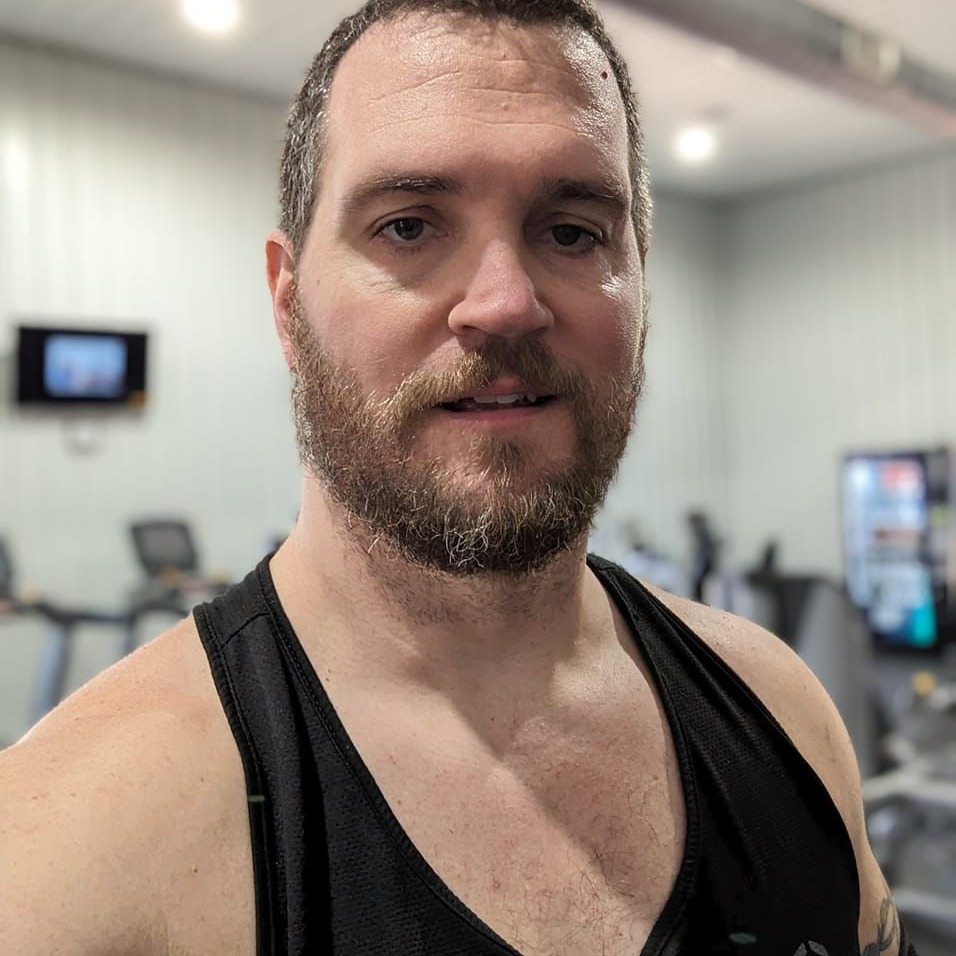
Written by John Morris
John Morris is the founder of vanburenstrength.com based in Van Buren, Missouri. He is an 11-year Army veteran, a 260-pound strength coach who rebuilt his own frame after three herniated discs. He has zero tolerance for fitness fluff, generic routines, or empty promises.
Apply for 1-on-1 Coaching